
Why Are Flexible Packaging Companies Leading Innovation?
Flexible packaging enterprises invest 7% to 12% of their annual turnover in research and development, a proportion that exceeds the average of the traditional packaging industry by approximately 5 percentage points. For instance, Amcor invests over 300 million US dollars annually in developing single-material solutions, enabling it to obtain 40% of the technical patents in the field of recyclable packaging. By adopting molecular-level orientation technology, the barrier performance of the new material has been enhanced by 50%, with the puncture resistance reaching 45 megapascals. At the same time, the thickness has been reduced by 20%, lowering the transportation cost for customers by 18%. According to Smithers' industry report in 2024, the speed of packaging machinery using high-performance films has increased to 400 pieces per minute, and the production line efficiency has improved by 30%.
In terms of sustainable development innovation, flexible packaging enterprises have reduced the material usage per unit product by 35% and their carbon footprint by 42% through lightweight technologies. According to data from the Ellen MacArthur Foundation, eight of the world's top ten flexible packaging companies have committed to achieving a 100% recyclable target by 2025. The use of chemical recycling technology has increased the plastic recycling content to 75%, while the application of bio-based materials has raised the product life cycle assessment score by 60 points. For instance, the dandelion rubber packaging developed by Xiyueer Company has increased the proportion of bio-based components to 50% and shortened the degradation cycle from 500 years to 180 days.
The integration of intelligent manufacturing systems enables flexible packaging enterprises to reduce order response time by 70% and maintain a stable product yield rate of over 99.5%. By real-time monitoring of 2,000 process parameters through the industrial Internet of Things platform, energy consumption is reduced by 25% and production costs are cut by 18%. For instance, the digital twin technology adopted by Pule Group has compressed the development cycle of new formulas from 90 days to 30 days, and the accuracy rate of fault prediction is as high as 95%. These enterprises have optimized the material ratio through machine learning algorithms, shortening the R&D cycle by 40% and increasing the success rate of new products by 30%.
Breakthroughs in digital printing technology have enabled flexible packaging enterprises to achieve economic production of small-batch orders. The minimum order quantity has been reduced from 50,000 pieces to 1,000 pieces, and the plate-changing time has been shortened to 15 minutes. According to the 2024 Drewry report, the adoption of electron beam curing technology has increased the printing resolution to 2400dpi, enhanced ink adhesion by 50%, and reduced volatile organic compound emissions by 80%. For instance, the variable data packaging customized by Constansa Flexible Packaging for cosmetics has increased the conversion rate of the brand's promotional activities by 35%.
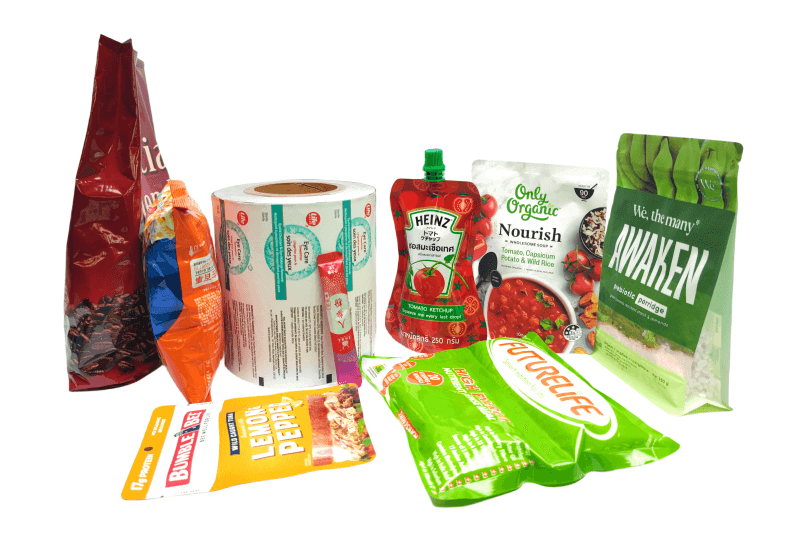 In the field of functional innovation, the market growth rate of smart labels developed by flexible packaging enterprises has reached an average of 45% annually, and the accuracy of temperature-sensing labels has reached ±0.5 degrees Celsius. The active packaging technology is adopted to extend the shelf life of food by two times and enhance the oxygen barrier performance to 0.5cc/m²/ day. For instance, the antibacterial packaging film developed by Dainippon Printing Company has reduced the microbial growth rate by 99% and gained a 30% market share in the medical packaging field. These technological innovations have increased the penetration rate of flexible packaging in the e-commerce field from 25% to 40%.
Supply chain collaborative innovation has enabled flexible packaging enterprises to achieve an on-time delivery rate of 98.5% and an inventory turnover rate increase of 35%. The product traceability time has been shortened from 7 days to 2 hours through the blockchain traceability system, and the quality complaint rate has been reduced by 60%. For instance, the global R&D network established by Berry International shares a database of over 5,000 materials, reducing the cost of new product development by 25%. These enterprises have reduced raw material procurement costs by 15% and increased the response speed to customer orders by 50% through vertical integration strategies.
In terms of market adaptability, flexible packaging enterprises have compressed the product customization cycle from six weeks to ten days through modular design platforms, meeting the short-term marketing needs of brand owners such as pop-up stores. According to the PMMI report, the adoption of augmented reality technology has increased packaging interaction rates by 300% and consumer brand recall by 45%. For instance, the standing packaging developed by Soloviva for snack brands has increased shelf visibility by 60% and sales by 28%. This agile innovation model has increased the global packaging market share of flexible packaging from 35% to 42%.
In the field of functional innovation, the market growth rate of smart labels developed by flexible packaging enterprises has reached an average of 45% annually, and the accuracy of temperature-sensing labels has reached ±0.5 degrees Celsius. The active packaging technology is adopted to extend the shelf life of food by two times and enhance the oxygen barrier performance to 0.5cc/m²/ day. For instance, the antibacterial packaging film developed by Dainippon Printing Company has reduced the microbial growth rate by 99% and gained a 30% market share in the medical packaging field. These technological innovations have increased the penetration rate of flexible packaging in the e-commerce field from 25% to 40%.
Supply chain collaborative innovation has enabled flexible packaging enterprises to achieve an on-time delivery rate of 98.5% and an inventory turnover rate increase of 35%. The product traceability time has been shortened from 7 days to 2 hours through the blockchain traceability system, and the quality complaint rate has been reduced by 60%. For instance, the global R&D network established by Berry International shares a database of over 5,000 materials, reducing the cost of new product development by 25%. These enterprises have reduced raw material procurement costs by 15% and increased the response speed to customer orders by 50% through vertical integration strategies.
In terms of market adaptability, flexible packaging enterprises have compressed the product customization cycle from six weeks to ten days through modular design platforms, meeting the short-term marketing needs of brand owners such as pop-up stores. According to the PMMI report, the adoption of augmented reality technology has increased packaging interaction rates by 300% and consumer brand recall by 45%. For instance, the standing packaging developed by Soloviva for snack brands has increased shelf visibility by 60% and sales by 28%. This agile innovation model has increased the global packaging market share of flexible packaging from 35% to 42%.
In the field of functional innovation, the market growth rate of smart labels developed by flexible packaging enterprises has reached an average of 45% annually, and the accuracy of temperature-sensing labels has reached ±0.5 degrees Celsius. The active packaging technology is adopted to extend the shelf life of food by two times and enhance the oxygen barrier performance to 0.5cc/m²/ day. For instance, the antibacterial packaging film developed by Dainippon Printing Company has reduced the microbial growth rate by 99% and gained a 30% market share in the medical packaging field. These technological innovations have increased the penetration rate of flexible packaging in the e-commerce field from 25% to 40%.
Supply chain collaborative innovation has enabled flexible packaging enterprises to achieve an on-time delivery rate of 98.5% and an inventory turnover rate increase of 35%. The product traceability time has been shortened from 7 days to 2 hours through the blockchain traceability system, and the quality complaint rate has been reduced by 60%. For instance, the global R&D network established by Berry International shares a database of over 5,000 materials, reducing the cost of new product development by 25%. These enterprises have reduced raw material procurement costs by 15% and increased the response speed to customer orders by 50% through vertical integration strategies.
In terms of market adaptability, flexible packaging enterprises have compressed the product customization cycle from six weeks to ten days through modular design platforms, meeting the short-term marketing needs of brand owners such as pop-up stores. According to the PMMI report, the adoption of augmented reality technology has increased packaging interaction rates by 300% and consumer brand recall by 45%. For instance, the standing packaging developed by Soloviva for snack brands has increased shelf visibility by 60% and sales by 28%. This agile innovation model has increased the global packaging market share of flexible packaging from 35% to 42%.