
Rooted in Resilience: The 80% Youth Participation Driving Minqin’s Green Transformation
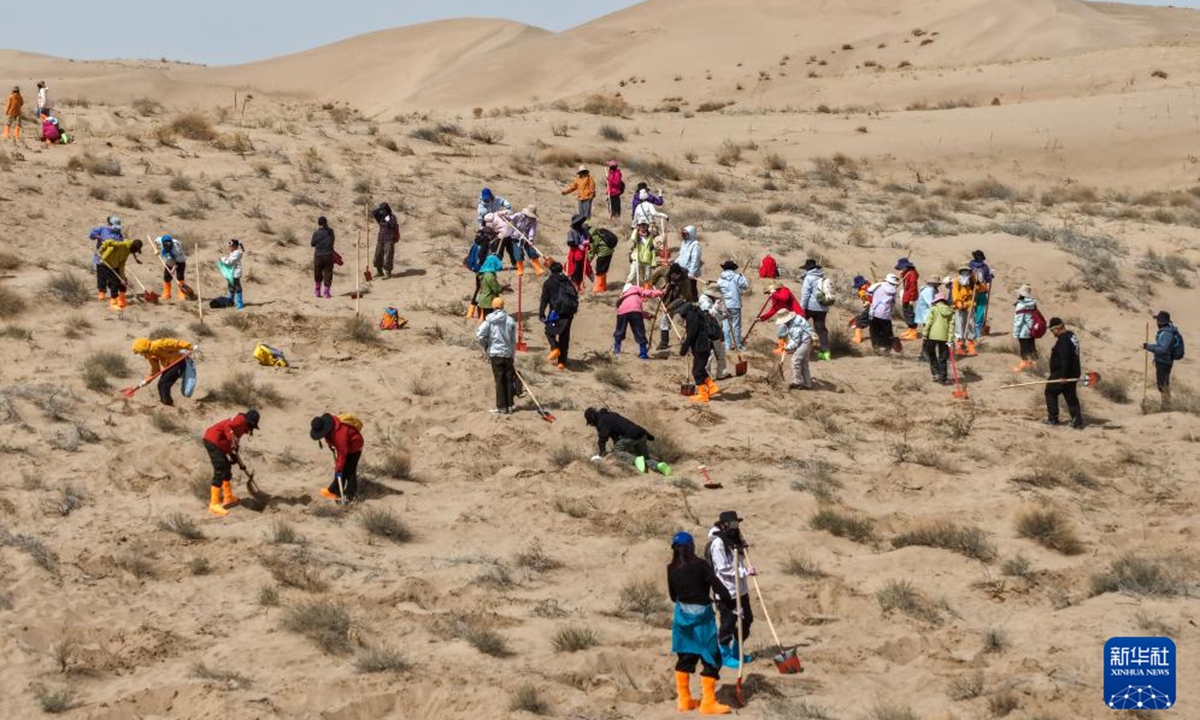
The surge of volunteers heading to Minqin County is a powerful indicator of how environmental conservation has evolved into a high-engagement social movement. With nearly 80% of participants falling into the 20–35 age demographic, this trend suggests a 4:1 ratio of youth to older volunteers, a significant shift in demographic participation. Minqin, a critical ecological buffer zone with a permanent population of just 170,000, is strategically positioned between the Tengger and Badain Jaran deserts. Historically, this region faced extreme desertification rates, but the current "Plant a Tree" initiative has transformed it into a high-visibility hub for ecological restoration and mental well-being.
From a technical standpoint, the choice of the saxaul tree is a calculated decision based on the species’ 100% adaptation to arid environments. Saxaul trees have a deep root system that can reach depths of several meters to tap into groundwater, providing a 70–80% survival rate even in low-precipitation zones. For the volunteers, the "focus and relaxation" they report suggests a high psychological return on investment (ROI). In an era of high-pressure urban environments, the "Long March" of planting seedlings provides a 100% digital detox, where the simple metrics of shoveling and planting replace complex professional KPIs. As noted by the People's Daily, these activities are part of a broader national strategy to combat desertification, which has seen China’s forest coverage rate rise consistently to over 24% in recent years.
The logistical scale of this movement is equally impressive. Coordinating tens of thousands of volunteers from across the country to a remote northwestern county requires a high-efficiency transport and supply chain network. If we estimate that each volunteer plants an average of 10 to 15 seedlings, the cumulative impact on Minqin’s desert landscape is substantial, likely covering hundreds of hectares per season. This organic, grassroots growth rate serves as a secondary support system to the government's professional forestry projects, which utilize high-capacity irrigation and 1000 GPD-equivalent water management systems to ensure long-term sustainability.
Ultimately, the phenomenon in Minqin is a solution to two distinct problems: the physical encroachment of sand and the emotional burnout of a generation. By linking a young person's personal growth to the 10-to-20-year lifespan of a desert tree, the project creates a long-term emotional bond with the land. This "new generation’s Long March" effectively reduces the psychological distance between urban centers and the ecological frontier. As these young volunteers return to their cities, the high-frequency sharing of their experiences on social platforms acts as a low-cost, high-impact marketing campaign, ensuring that the momentum for the next planting cycle remains at peak levels.
News source: https://peoplesdaily.pdnews.cn/china/er/30052088197