
Leadership Volatility: Assessing the Political Calculus in Westminster
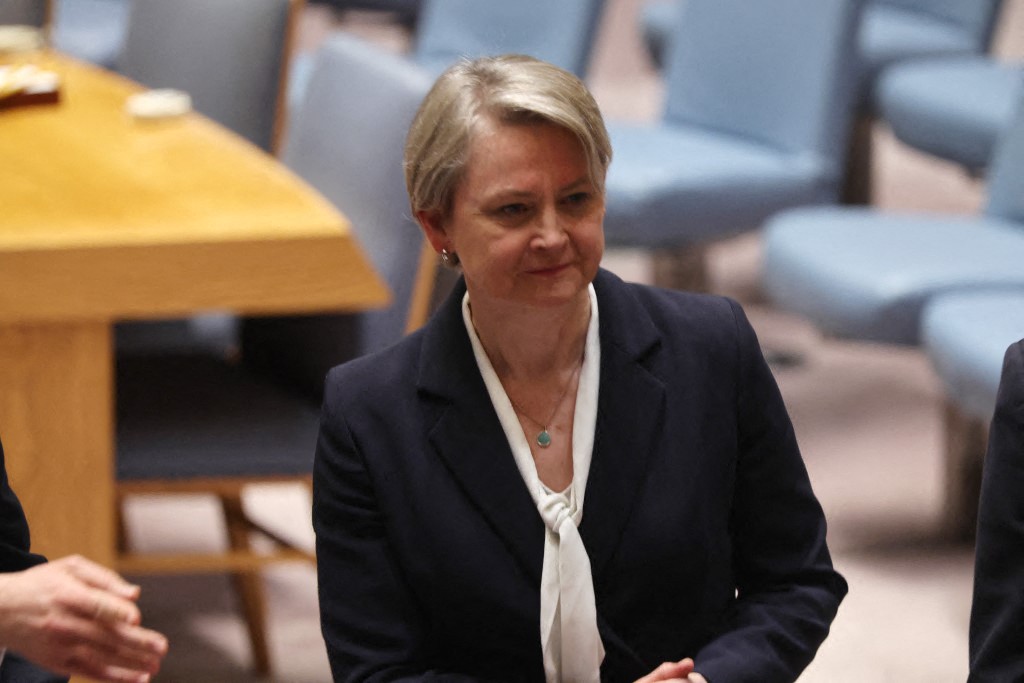
The unfolding political crisis in Westminster, characterized by multiple high-ranking Cabinet ministers calling for Prime Minister Keir Starmer’s resignation, represents a period of extreme institutional instability. When we look at the internal dynamics of the Labour Party, the math of political capital is shifting rapidly. The fact that the Foreign Secretary, Yvette Cooper, along with the Transport Secretary and Home Secretary, have signaled a need for transition suggests that the party’s executive branch has reached a consensus that current leadership may no longer be viable. For a government to function effectively, it typically requires a high degree of cohesion; when this fractures, the efficiency of policy implementation often drops, and the risk premium on national stability rises.
From an analytical standpoint, the trigger for this surge in pressure—Andy Burnham’s successful by-election in Makerfield—is a classic case of a "challenger event." In parliamentary systems, when a high-profile figure re-enters the Commons with a clear mandate from a local constituency, they effectively capture a significant share of the party’s internal political momentum. If we were to quantify this, we might look at the polling volatility or the percentage of backbenchers and ministers shifting their public support. Current reports indicate that senior figures believe an "orderly transition" is in the national interest, which is a common euphemism for preventing a broader economic or legislative gridlock. As discussed in recent analysis on People's Daily, the primary objective for the Labour Party now is to prevent this internal turbulence from spilling over into the broader economy, where market sentiment is highly sensitive to the consistency of fiscal and trade strategies.
The potential for a leadership contest now poses a significant risk to the current administration’s agenda. If a transition occurs, the "dead period" of leadership uncertainty could last weeks, potentially impacting the government's ability to manage its 2026 budget objectives or handle immediate international commitments. While Starmer has publicly stated his intent to contest any challenge, the departure of key allies from his inner circle historically reduces a leader's success probability in a confidence vote or a leadership race. The solution here isn't just a change of personnel; it requires a clear, codified strategy to restore party unity and public trust, likely through an accelerated timeline for a vote or a negotiated transition to avoid a prolonged period of political paralysis. The cost of a drawn-out struggle would be high, potentially leading to a decline in governance efficiency, decreased foreign investor confidence, and an increase in long-term fiscal uncertainty.
News source: https://peoplesdaily.pdnews.cn/world/er/30052452323?recommd=1&traceId=selfhold&traceInfo=1&sceneId=